Why Paul Robinson Is Reimagining Sales Excellence
For organisations looking for a motivational speaker in India for sales training, Paul Robinson brings a distinctive combination of sales experience, business strategy, marketing insights, branding knowledge and motivational speaking. Having worked with organisations for around 20 years on sales excellence and served more than 350 clients globally through keynotes and workshops, Paul helps sales teams challenge conventional thinking and discover more effective ways to engage customers.
Explore his work at Paul Robinson’s official website.
1. The Changing Paradigms in Sales: Replacing the Old Model
For decades, sales training focused on product knowledge, persuasive presentations, objection handling, negotiation and closing. Salespeople were taught to pitch products, overcome resistance and convince customers to buy.
While these skills still have a place, the context in which selling happens has changed. Customers can research products, compare alternatives, read reviews and access expert opinions before speaking to a salesperson. In many industries, the customer may know as much about the product category as the person selling it.
The salesperson who relies on a rehearsed pitch or pushes features without understanding the customer’s business problem risks becoming irrelevant.
The new sales environment requires a fundamental shift in mindset.
From selling products to creating value
Traditional selling often begins with the product: its features, advantages and price. Contemporary value-based selling begins with the customer.
What problem is the customer trying to solve? What business outcome matters most? What is preventing the customer from achieving that outcome? How can the salesperson help the customer make a better decision?
The focus moves from promoting a product to understanding a need and demonstrating relevant value.
From persuasion to education
Customers are more likely to engage with salespeople who help them understand their challenges and evaluate their options.
This is the thinking behind education-based relationship selling—an approach developed by Paul Robinson that emphasises educating customers, building trust and creating relationships through meaningful insights rather than relying exclusively on persuasion.
Instead of merely telling customers why they should buy, sales professionals help them recognise problems, understand possibilities and appreciate the value of an appropriate solution.
From transactions to relationships
A transaction may generate immediate revenue, but a strong relationship can lead to repeat business, referrals, customer loyalty and long-term growth.
Modern sales professionals need to understand the customer’s wider context, communicate honestly, deliver on commitments and remain relevant beyond the initial sale.
Relationship-driven selling is particularly valuable in business-to-business markets, where decisions may involve significant investment, multiple stakeholders and long sales cycles.
From product knowledge to business understanding
Product knowledge remains essential, but it is only one part of sales excellence. Salespeople must also understand the customer’s industry, competitive pressures, business model and priorities.
A salesperson who understands the customer’s business can have a more valuable conversation than one who simply describes product specifications.
This is where sales, marketing and branding intersect. A salesperson must understand not only what the company sells, but also what the brand stands for, how it differentiates itself and why customers should care.
From pushing for a sale to becoming a trusted adviser
Today’s customer expects a salesperson to bring perspective, not just a price quotation.
Paul Robinson uses the idea of the sales “conselltant” to emphasise a more consultative approach to selling. The salesperson becomes a combination of consultant and seller: someone who asks better questions, identifies needs, shares insights and helps the customer evaluate solutions.
The result is a more meaningful sales conversation, built around the customer’s needs rather than the salesperson’s pressure to close.
2. Why Sales Training Is Essential Today
Organisations invest in sales teams because revenue growth depends on their ability to attract customers, communicate value and convert opportunities into lasting business.
However, sales performance is rarely determined by effort alone. Salespeople may work hard and still struggle if their approach is outdated, their value proposition is unclear or they fail to understand how customers make decisions.
This makes contemporary sales training an important business investment.
Sales training helps teams adapt to changing customers
Customer expectations evolve continuously. Sales training helps teams reconsider old habits, understand changing buying behaviour and develop more relevant approaches to customer engagement.
It strengthens confidence and professional effectiveness
Salespeople frequently face rejection, price objections, competitive pressure and uncertain buying decisions. A strong training programme can help them approach these challenges with greater confidence, preparation and resilience.
It improves value communication
Customers need to understand why a solution matters to them. Sales training can help professionals move beyond features and specifications to communicate benefits, business outcomes and meaningful differentiation.
It encourages better questioning and listening
Effective selling begins with understanding. Sales professionals need to ask thoughtful questions, listen actively and identify the customer’s real priorities before recommending a solution.
It supports a stronger sales culture
Training can also help organisations establish shared standards for customer engagement, accountability, collaboration and professional development.
The objective is not simply to motivate salespeople for a day. It is to help them rethink how they sell and identify practices they can apply consistently.
3. Paul Robinson: A Sales Trainer Who Has Lived the Sales Journey
When choosing a sales trainer, organisations should look for someone who understands the realities of selling—not just the theory.
Paul Robinson’s background is rooted in sales. He has experienced the challenges of the sales environment and spent around 20 years training organisations on sales excellence, helping teams explore better ways to engage customers, communicate value and improve performance.
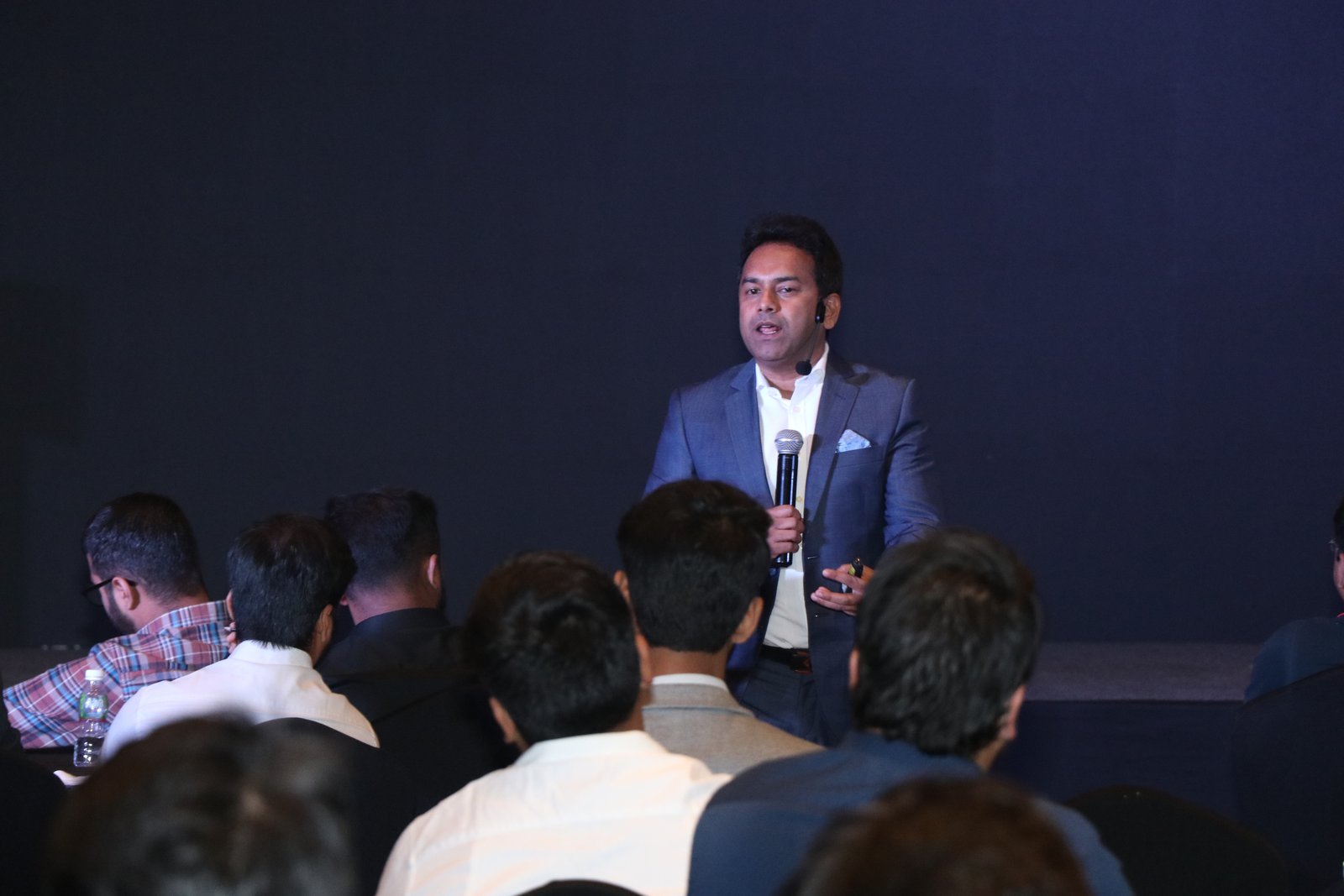
As a keynote speaker, business strategist, author and trainer, Paul brings together practical sales thinking and the ability to engage audiences through stories, concepts, interactions and fresh perspectives.
He has worked with more than 350 clients globally through keynotes, workshops and related interventions. His sessions have reached people across different industries, roles and professional backgrounds.
For organisations searching for one of the country’s leading sales motivational speakers, Paul offers a combination of motivational energy and a business-oriented approach to sales development.
His focus is not simply on telling salespeople to work harder. It is on encouraging them to think differently about the way they create value, build relationships and approach their profession.
4. Education-Based Relationship Selling: A Different Approach
One of the distinctive ideas associated with Paul’s sales training is education-based relationship selling.
The central premise is straightforward: customers are more receptive when a salesperson helps them understand their challenges and make informed decisions.
Instead of beginning every conversation with a pitch, the salesperson begins with the customer.
This approach encourages sales professionals to:
- Understand the customer’s needs before presenting a solution.
- Ask questions that uncover underlying business challenges.
- Share useful insights and relevant information.
- Explain how a solution can create measurable or meaningful value.
- Build credibility through knowledge, consistency and trust.
- Develop relationships that extend beyond a single transaction.
Education-based relationship selling is relevant to businesses that want to move away from discount-driven selling and develop stronger customer relationships.
For B2B sales teams, industrial sales professionals, channel partners, distributors and relationship managers, this shift can create a more consultative and customer-focused sales culture.
5. Value Selling: Helping Customers See the Difference
In competitive markets, customers often compare suppliers based on price. When products appear similar, the salesperson who cannot communicate a meaningful difference may find it difficult to defend margins or secure customer preference.
Value selling changes the conversation.
Instead of focusing exclusively on price, salespeople explore what the customer values, what the problem costs them and what the right solution could help them achieve.
A value-selling conversation might explore questions such as:
- What is the customer’s most important business challenge?
- What happens if the problem remains unresolved?
- What outcomes would make an investment worthwhile?
- How does the proposed solution differ from alternatives?
- What evidence or reasoning would help the customer make a confident decision?
This approach requires a deeper understanding of the customer, the market and the company’s brand promise.
Paul’s sales training brings these dimensions together, helping participants consider how to communicate value more effectively rather than competing only on discounts.
6. Why Modern Sales Training Must Combine Sales, Marketing and Branding
Sales does not operate in isolation. Marketing creates awareness and interest, branding shapes perception and differentiation, and sales helps customers understand and act on the value being offered.
When these functions are disconnected, sales teams may struggle to explain what makes their company different. They may rely on discounts because the brand’s value is not being communicated clearly, or they may make promises that do not align with the customer’s actual experience.
Paul Robinson’s approach is distinctive because it brings together concepts from sales, marketing and branding.
This integrated perspective helps sales professionals explore three important questions:
Marketing: Who is our customer, what matters to them and how do we reach them?
Branding: Why should customers remember us, trust us and choose us over alternatives?
Sales: How do we translate that relevance and differentiation into a meaningful customer conversation?
This is particularly useful for organisations operating in crowded markets, where customers have many alternatives and sales teams need to communicate a clear reason to buy.
By helping participants understand these connections, sales training can contribute to more consistent messaging, stronger differentiation and better customer conversations.
7. Sales Motivation That Goes Beyond Temporary Enthusiasm
Sales kick-offs, annual sales conferences and dealer meets often feature motivational speakers to energise participants before a demanding business period.
Motivation has value. It can renew enthusiasm, build confidence and help people reconnect with their goals. But motivation alone may not change the habits that influence sales performance.
Paul Robinson’s sessions seek to connect inspiration with fresh thinking.
Through storytelling, practical concepts, interactions and reflection, participants are encouraged to question assumptions, consider alternative approaches and explore how they can exceed their own expectations.
His work can help sales teams examine questions such as:
- Are we selling the way customers want to buy?
- Are we communicating value or simply describing products?
- Are we building trust or pushing for immediate transactions?
- Are we differentiating ourselves or competing mainly on price?
- Are we learning from lost opportunities and customer feedback?
- What outdated sales habits do we need to unlearn?
These conversations can make a sales conference more than an energetic gathering. They can provide a starting point for renewed commitment to professional growth and sales excellence.
8. Sales Training for Different Industries and Business Roles
Every industry has its own customer expectations, sales cycles and competitive challenges. Effective sales training must recognise these differences rather than treating every sales team the same way.
Paul’s experience working with organisations across sectors allows sessions to be tailored to the audience and business context.
His programmes can be relevant for:
B2B sales teams: Developing consultative conversations, understanding business needs and communicating value to decision-makers.
Retail and frontline sales professionals: Improving customer engagement, listening skills and the ability to connect customer needs with appropriate solutions.
Industrial and technical sales teams: Moving beyond specifications to explain business relevance and customer outcomes.
Dealer and distributor networks: Strengthening customer relationships, product value communication and a shared understanding of the brand.
Sales managers and leaders: Building a culture of accountability, coaching, collaboration and continuous improvement.
Entrepreneurs and business owners: Rethinking sales strategy, positioning, customer relationships and differentiation in competitive markets.
The format and content can be aligned with the organisation’s objectives, whether the priority is improving sales conversations, preparing teams for a new strategy or encouraging a shift in sales culture.
9. Sales Keynotes, Workshops and Strategic Interventions
Organisations have different needs at different stages of their sales journey. A conference may require an engaging keynote to challenge the audience’s thinking, while a team facing a specific sales challenge may benefit from a more interactive workshop.
Paul Robinson delivers sales-related keynotes, workshops and strategic interventions that can be tailored to the event and its desired outcomes.
Sales motivational keynotes
Keynotes are suitable for annual sales meets, sales kick-offs, conferences, dealer summits and corporate events. They introduce new perspectives, energise audiences and encourage teams to reconsider their approach to sales.
Interactive sales workshops
Workshops provide more room for discussion, reflection and practical application. They can focus on customer engagement, value communication, relationship selling, consultative selling and professional effectiveness.
Strategic interventions
For organisations looking to address broader sales challenges, a strategic intervention can help connect sales thinking with business priorities, market positioning and organisational goals.
Before finalising a session, organisers can discuss the event’s purpose, audience, conference theme and desired outcomes with Paul. This allows the programme to be shaped around the organisation’s needs rather than delivered as a generic presentation.
10. Paul Robinson: Author, Speaker and Advocate of Continuous Learning
Paul Robinson is also an author of books and audio programmes focused on personal growth, performance, resilience and success.
His titles include The Psychology of a Winner, Exceptional or Nothing, Resilience and The Inner Game of Success, among others.
These themes complement his work with sales teams. Selling requires more than technical knowledge: it also demands confidence, emotional resilience, adaptability and the willingness to learn from experience.
Salespeople encounter rejection, uncertainty and changing customer expectations throughout their careers. A learning mindset helps them examine setbacks, improve their approach and continue developing their professional capabilities.
By combining motivational speaking with business concepts and personal development themes, Paul encourages sales professionals to look at both how they sell and how they grow.
11. How to Choose the Right Sales Motivational Speaker in India
When selecting a motivational speaker in India for sales training, organisations should consider whether the speaker can connect with the real challenges faced by their sales teams.
A useful selection process should examine:
- Sales understanding: Does the speaker understand the realities of customer engagement and revenue generation?
- Relevance: Can the session address the audience’s industry, experience and business objectives?
- Fresh perspectives: Will participants be challenged to reconsider outdated practices?
- Practical application: Can the audience identify ideas to apply after the event?
- Audience engagement: Does the speaker create opportunities for reflection and meaningful participation?
- Business alignment: Can the session reinforce the organisation’s sales strategy, brand promise and desired outcomes?
Paul Robinson’s background in sales, long-standing work in sales excellence, education-based relationship selling and integrated perspective on sales, marketing and branding make him a compelling option for organisations that want to modernise their sales approach.
The aim is not simply to find a speaker who can energise a room. It is to find someone who can help a sales organisation rethink its assumptions and create a stronger foundation for future performance.
Conclusion: Unlearn the Old. Relearn Sales Excellence.
The future of sales belongs to professionals who understand customers, communicate value, build trust and remain willing to learn. Traditional techniques may still offer useful tools, but they need to be complemented by a deeper understanding of customer behaviour, branding, business challenges and relationship-driven selling.
For organisations looking for a motivational speaker in India for sales training, Paul Robinson brings together sales experience, business strategy, motivational speaking and a focus on contemporary sales excellence.
Through his approach to education-based relationship selling, the sales “conselltant” mindset and value selling, he encourages teams to question old habits and explore new ways of creating customer value.
Whether you are planning a sales kick-off, dealer conference, annual sales meet, corporate workshop or sales leadership programme, Paul can help shape a session around your business priorities.
Invite Paul Robinson to help your sales team unlearn outdated paradigms, embrace new perspectives and rediscover what it takes to excel in today’s changing sales environment.
Visit www.paulrobinson.in to learn more about his keynotes, workshops and strategic interventions.